
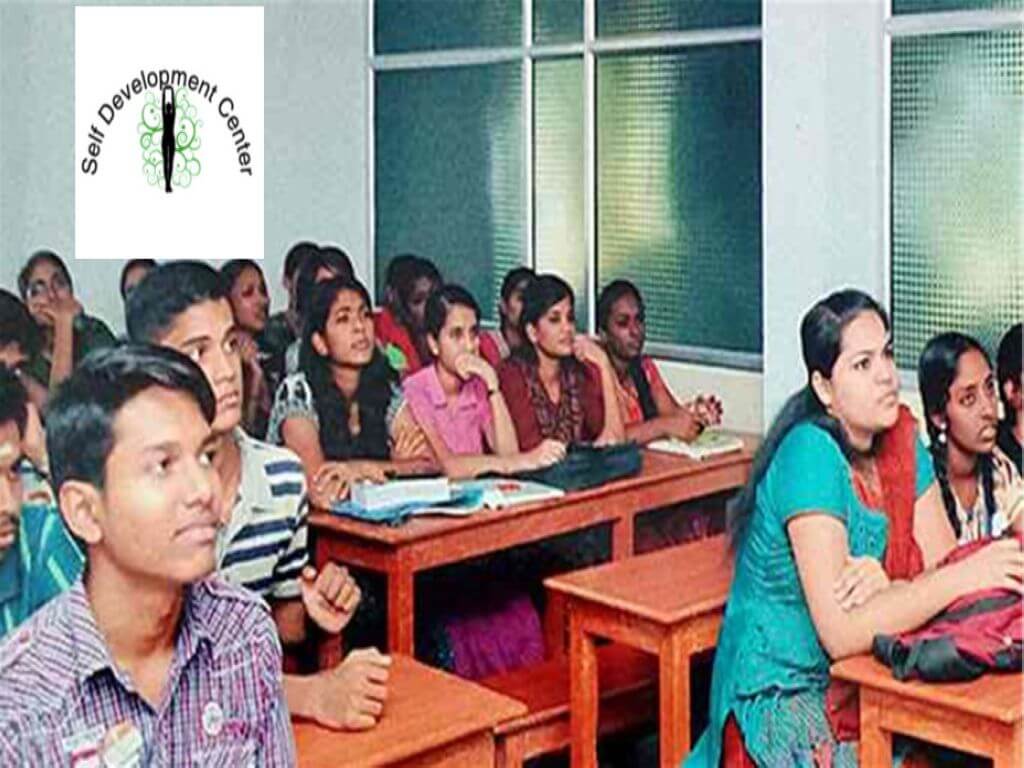
Establishing a Rural Self-Development Center in India involves creating a hub that empowers individuals and communities in rural areas. Here are key components and services that could be part of such a center:
- Educational Initiatives:
- Basic Literacy Programs: Offer adult literacy programs to improve reading, writing, and basic numeracy skills.
- Vocational Training: Provide practical vocational skills training relevant to local job markets, such as farming techniques, handicrafts, or small-scale industries.
- Agricultural Development:
- Modern Farming Techniques: Introduce and train farmers on sustainable and modern agricultural practices.
- Crop Diversification: Encourage diversification of crops to enhance resilience to climate change and market fluctuations.
- Water Management: Provide training on efficient water usage and conservation methods.
- Entrepreneurship Support:
- Business Incubation: Support the establishment of small businesses through incubation programs.
- Microfinance Services: Facilitate access to microfinance for entrepreneurs and small businesses.
- Health and Sanitation Programs:
- Health Awareness Workshops: Conduct workshops on hygiene, nutrition, and preventive healthcare.
- Sanitation Infrastructure: Work towards improving sanitation facilities in rural areas.
- Women Empowerment:
- Skill Development for Women: Implement programs to empower women through skill development and entrepreneurship.
- Healthcare for Women: Focus on women’s health, including maternal and reproductive health.
- Community Infrastructure Development:
- Roads and Connectivity: Advocate for and contribute to the development of better roads and connectivity.
- Renewable Energy: Promote the use of renewable energy sources in the community.
- Digital Literacy Programs:
- Basic Computer Skills: Offer training in basic computer skills to enhance digital literacy.
- E-Governance Services: Facilitate access to government services through digital platforms.
- Natural Resource Management:
- Waste Management: Implement waste management programs to promote cleanliness.
- Afforestation: Engage in tree plantation drives and promote sustainable forestry.
- Community Health Clinics:
- Basic Healthcare Services: Establish or support community health clinics for basic healthcare services.
- Health Camps: Organize health camps for preventive healthcare and awareness.
- Crisis Response and Preparedness:
- Disaster Preparedness Programs: Train communities to respond to natural disasters and emergencies.
- Community Resilience: Develop strategies to enhance community resilience in the face of crises.
- Cultural and Recreational Programs:
- Cultural Preservation: Support programs that preserve and celebrate local culture and traditions.
- Recreational Spaces: Create spaces for community gatherings, sports, and recreational activities.
- Financial Literacy and Inclusion:
- Financial Literacy Workshops: Provide workshops on financial management and literacy.
- Access to Banking Services: Facilitate access to banking services for financial inclusion.
- Monitoring and Evaluation:
- Impact Assessment: Regularly assess the impact of programs on the community.
- Feedback Mechanisms: Establish channels for community feedback to improve program effectiveness.
- Partnerships and Collaboration:
- Government Collaboration: Collaborate with government agencies for the effective implementation of programs.
- NGO Partnerships: Work with other non-profit organizations for shared resources and expertise.
- Community Empowerment and Participation:
- Community Decision-Making: Involve the community in decision-making processes.
- Leadership Development: Identify and nurture local leaders within the community.
Customizing these components based on the specific needs and context of the target community is essential for the success and sustainability of the Rural Self-Development Center. Continuous community engagement, adaptability, and a participatory approach are key principles to follow in the establishment and operation of such a center.
