
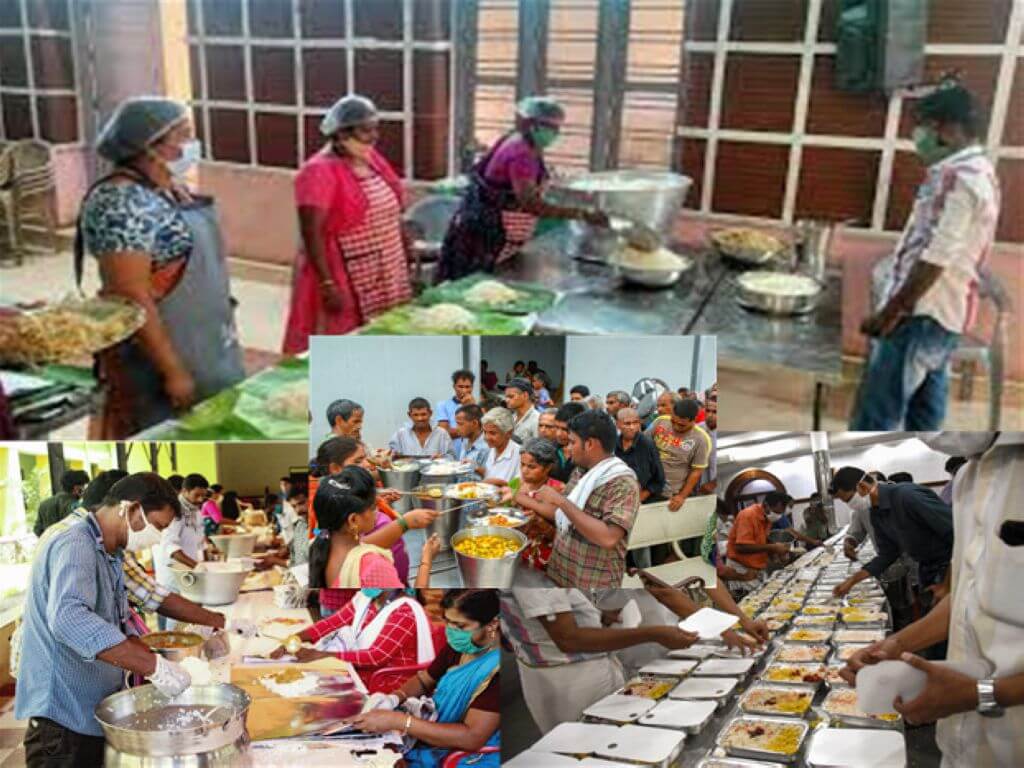
Establishing a Community Kitchen to supply healthy and nutritional food for poor people in India is a noble initiative. Here are key components and considerations for setting up and running a successful community kitchen:
- Assessment of Needs:
- Conduct a thorough assessment of the nutritional needs of the target population.
- Identify specific health challenges prevalent in the community.
- Partnerships and Collaborations:
- Collaborate with local government bodies, NGOs, and community organizations.
- Partner with local businesses, farms, and food suppliers for donations and support.
- Location and Infrastructure:
- Choose a central and easily accessible location for the community kitchen.
- Ensure that the kitchen has the necessary infrastructure and equipment for large-scale food preparation.
- Nutritionist Consultation:
- Consult with nutritionists to create balanced and culturally appropriate meal plans.
- Address specific dietary needs and restrictions.
- Volunteer Recruitment and Training:
- Recruit volunteers from the local community and train them in food safety and hygiene.
- Develop a roster for kitchen and distribution activities.
- Meal Planning and Preparation:
- Plan nutritious and well-balanced meals that meet the dietary needs of the target population.
- Ensure the use of fresh and locally sourced ingredients.
- Food Safety and Hygiene Standards:
- Adhere to strict food safety and hygiene standards.
- Implement regular inspections and quality control measures.
- Catering to Special Diets:
- Consider dietary restrictions such as vegetarianism, religious dietary preferences, and allergies.
- Provide options for diverse dietary needs.
- Distribution Channels:
- Establish efficient distribution channels to reach the target beneficiaries.
- Collaborate with local community centers, schools, and NGOs for distribution.
- Community Engagement:
- Involve the community in the planning and decision-making processes.
- Conduct awareness programs on the importance of nutrition.
- Education on Healthy Eating:
- Provide educational sessions on nutrition and healthy eating habits.
- Create materials that promote awareness of nutritional choices.
- Sustainability Initiatives:
- Implement sustainable practices such as composting and waste reduction.
- Explore partnerships for long-term sustainability.
- Regular Health Check-ups:
- Collaborate with healthcare professionals to organize regular health check-ups.
- Use health check-ups to tailor meals to specific health needs.
- Monitoring and Evaluation:
- Establish a system to monitor the nutritional impact on beneficiaries.
- Collect feedback from the community to improve meal plans and services.
- Advocacy for Food Security:
- Advocate for policies that promote food security and nutrition.
- Engage with local authorities and policymakers to address systemic issues.
- Crisis Response Planning:
- Develop a crisis response plan to address emergencies, such as natural disasters or pandemics.
- Ensure the continuity of services during challenging times.
- Financial Sustainability:
- Explore multiple funding sources, including donations, grants, and collaborations.
- Implement cost-effective practices to ensure financial sustainability.
- Documentation and Reporting:
- Keep detailed records of meal plans, distribution, and community engagement activities.
- Provide regular reports to stakeholders and donors.
- Technology Integration:
- Use technology for efficient meal planning, volunteer coordination, and data management.
- Create a system for online donations and community engagement.
- Celebration of Cultural Diversity:
- Incorporate local cuisines and celebrate cultural diversity in meal planning.
- Organize cultural events to foster a sense of community.
Remember, community kitchens are not only about providing meals but also about fostering a sense of community, promoting health and nutrition, and addressing systemic issues of poverty and hunger. Ongoing communication and collaboration with the community are key to the success of such initiatives.
