
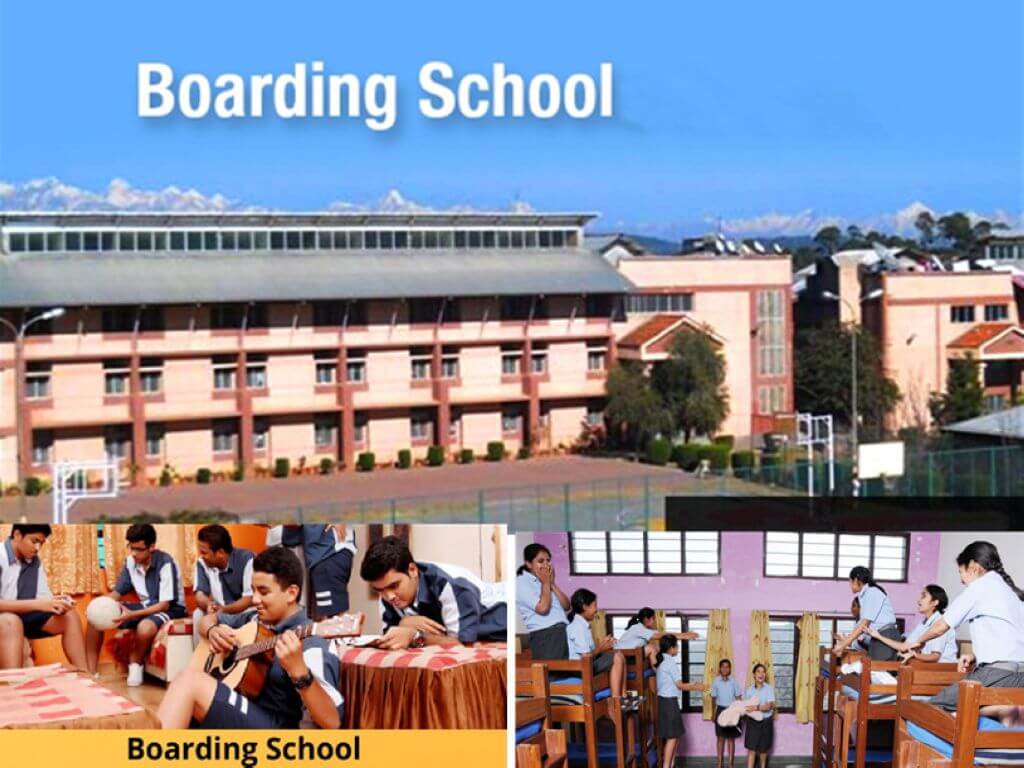
Establishing a boarding school for financially backward communities in India is a commendable initiative that can significantly contribute to providing quality education and opportunities to underprivileged children. Here are key components and considerations for setting up such a school:
- Needs Assessment:
- Conduct a thorough needs assessment to understand the educational, health, and socio-economic needs of the targeted community.
- Location and Infrastructure:
- Choose a location that is easily accessible and safe for students.
- Develop or repurpose infrastructure with adequate classrooms, dormitories, recreational areas, and sanitation facilities.
- Educational Curriculum:
- Design a curriculum that aligns with national educational standards and includes vocational training to enhance employability.
- Consider incorporating life skills and practical knowledge into the curriculum.
- Qualified Teachers and Staff:
- Hire qualified and dedicated teachers who are committed to the holistic development of students.
- Provide continuous professional development for staff members.
- Financial Assistance and Scholarships:
- Implement a robust scholarship and financial assistance program to ensure that economically disadvantaged students can access education.
- Collaborate with government programs and NGOs to enhance financial support.
- Nutrition and Healthcare:
- Provide nutritious meals to address the nutritional needs of students.
- Collaborate with healthcare professionals to ensure regular health check-ups and medical care.
- Extracurricular Activities:
- Include a variety of extracurricular activities such as sports, arts, music, and cultural events to foster holistic development.
- Encourage participation in clubs and societies.
- Counseling and Mentoring:
- Offer counseling services to address the emotional and psychological needs of students.
- Implement a mentorship program where students receive guidance and support.
- Community Involvement:
- Involve the local community in the school’s development and activities.
- Conduct community outreach programs and awareness campaigns.
- Parental Involvement:
- Encourage parental involvement through regular meetings, workshops, and training sessions.
- Keep parents informed about their child’s progress and school activities.
- Infrastructure for Skill Development:
- Create facilities for practical skill development, including workshops, labs, and vocational training centers.
- Collaborate with local industries for apprenticeship and internship opportunities.
- Technology Integration:
- Integrate technology into the teaching and learning process.
- Provide access to computers and the internet for educational purposes.
- Transportation Services:
- Arrange safe and reliable transportation for students, especially those coming from remote areas.
- Ensure transportation accessibility for differently-abled students.
- Language and Cultural Sensitivity:
- Foster an inclusive environment that respects and celebrates linguistic and cultural diversity.
- Provide language support for students with diverse linguistic backgrounds.
- Environmental Education:
- Incorporate environmental education and sustainable practices into the curriculum.
- Establish green initiatives within the school campus.
- Monitoring and Evaluation:
- Implement a system for continuous monitoring and evaluation of educational outcomes and student well-being.
- Use feedback to make improvements in school operations.
- Partnerships with NGOs and Corporations:
- Form partnerships with non-profit organizations and corporations that can provide additional resources, expertise, and funding.
- Seek support from corporate social responsibility (CSR) initiatives.
- Legal Compliance:
- Ensure compliance with national and regional education laws and regulations.
- Obtain the necessary approvals and affiliations from educational boards.
- Transition Support:
- Provide support for students transitioning to higher education or vocational opportunities after completing their schooling.
- Establish partnerships with colleges, universities, and vocational training institutes.
- Financial Sustainability:
- Develop a sustainable financial model that includes a mix of government support, donations, grants, and other revenue sources.
- Implement cost-effective practices without compromising on the quality of education.
The success of a boarding school for financially backward communities lies in its ability to provide not just education but a supportive and nurturing environment that addresses the unique challenges faced by underprivileged students. Continuous engagement with the community, stakeholders, and ongoing assessments are critical for the school’s effectiveness and sustainability.