
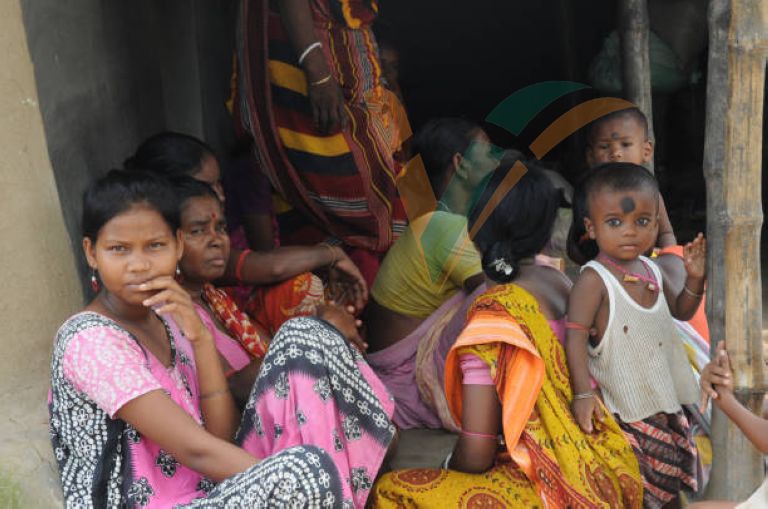
VISHWAKENDRA FOUNDATION’s Main aim of the center is to provide help and support to those women and children who are in distress and provide voice for their issues and concerns, also to prevent, protect and prevail over domestic violence through advocacy, empowerment and social change. Snehitha also looks to enhance the socio-economic status of young, underprivileged women by empowering them with self-confidence and the required skills to enable them to become independent and contribute to family and society.
The Constitution of India envisages equality, freedom, justice and dignity of all individuals and implicitly mandates an inclusive society for all. Article 21 of the Constitution provides the Right to Protection of life. Article 38 provides to secure a social order for the promotion of welfare of people by the States. Article 41 provides for making effective provisions for securing the right to work, to educate and to public assistance in case of unemployment, old
age, sickness and disablement and in other cases underserved want.
The act of begging has commonly existed in every period of history. Beggary is the act of soliciting or receiving alms in a public place for earning livelihood, whether or not under any pretense such as singing, dancing, fortune-telling, performing or offering any article for sale. This act forms the source for labour disrespect decrease of human respect and damage of social and individual structure through violation of a number of humanitarian and religious feelings. For that reason, beggary stands before us as a psycho-social problem that has to be fought against and solved.
Beggary is the consequence of destitution, a situation of extreme vulnerability with multiple dimensions. Persons experiencing destitution live in a vicious cycle of poverty, homelessness, powerlessness, stigmatization, discrimination, exclusion and material deprivation, all of which mutually reinforce each other. Poverty or abandonment amongst
homeless persons, persons affected with leprosy, the differently abled, persons with mental disabilities, the old, infirm and others in similar situations forced many people to adhere to begging. A substantial percentage of people who are found begging are persons with disability, infirm or affected by illnesses such as leprosy.
State laws on begging differ fundamentally in their approach towards the treatment of children found seeking alms. Under the Juvenile Justice (Care and Protection of Children) Act, 2015, children found begging are treated as victims in need of care and protection to be dealt with by child welfare committees. Some of the state laws, on the other hand, treat them as criminals who can be sent to an institution. The Beggars (Protection, Care and
Rehabilitation) Model Bill of 2016 aims to set up a rehabilitative framework for people found begging. It does not criminalize begging, other than for repeated and organized begging, and does not allow for detention of dependents. It focuses instead on providing protection, care and support.
” UNFORTUNATELY EVERY PART IN INDIA DAY TO DAY WE CAN SEE THE HUGE NUMBER OF BEGGARS SUFFERING and SURVIVING”
VISHWAKENDRA FOUNDATION Take a Challenge to Give a Hand to them to Goahead a New Better and Normal Common Society Life.
