
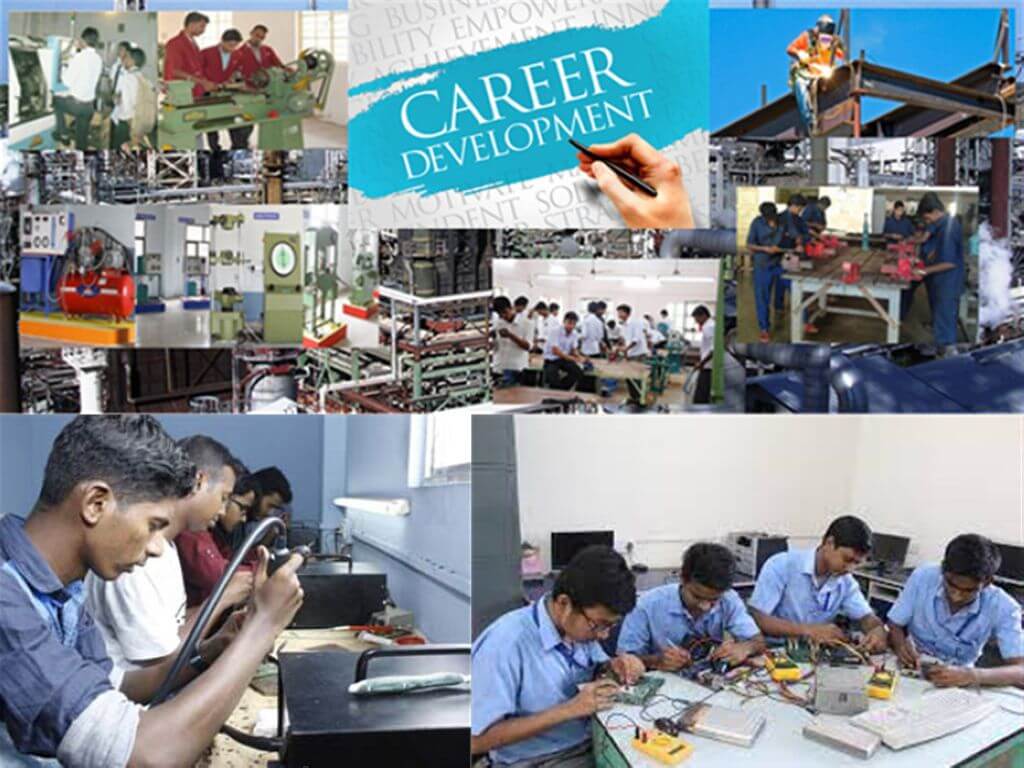
Establishing a Career Development Center for Financially Backward Communities is a commendable initiative that can have a positive impact on individuals and communities facing economic challenges. Such a center could provide a range of services and resources to empower individuals to build sustainable careers. Here are some key components and services that could be part of a Career Development Center for Financially Backward Communities:
- Skill Development Programs:
- Offer training programs in various skills relevant to local job markets, considering the needs and demands of the community.
- Collaborate with local industries to align training programs with market requirements.
- Career Counseling:
- Provide personalized career counseling services to help individuals identify their strengths, interests, and career goals.
- Offer guidance on educational pathways and vocational training opportunities.
- Job Placement Assistance:
- Establish partnerships with local businesses and industries to create job placement opportunities for individuals who complete training programs.
- Organize job fairs and connect community members with potential employers.
- Entrepreneurship Support:
- Provide training and resources for those interested in starting their own businesses.
- Offer mentorship programs connecting aspiring entrepreneurs with experienced business professionals.
- Financial Literacy Programs:
- Conduct workshops on financial management, budgeting, and savings to empower individuals to make informed financial decisions.
- Collaborate with financial institutions to provide access to banking services and financial resources.
- Soft Skills Training:
- Offer workshops on essential soft skills such as communication, teamwork, and time management.
- Develop programs to enhance interview and networking skills.
- Educational Support:
- Provide access to educational resources, including scholarships and financial aid information.
- Establish partnerships with educational institutions for discounted or free educational opportunities.
- Community Outreach:
- Engage with the community through awareness campaigns and information sessions.
- Create a supportive network within the community to foster collaboration and shared learning.
- Online Learning Platforms:
- Utilize online platforms to offer remote learning opportunities, especially important during times of social distancing or limited physical access.
- Monitoring and Evaluation:
- Implement a system for monitoring and evaluating the effectiveness of programs and services.
- Collect feedback from participants to continually improve and tailor services to community needs.
- Advocacy and Policy Engagement:
- Advocate for policies that support economic development and opportunities for financially backward communities.
- Engage with policymakers to address systemic barriers to career development.
