
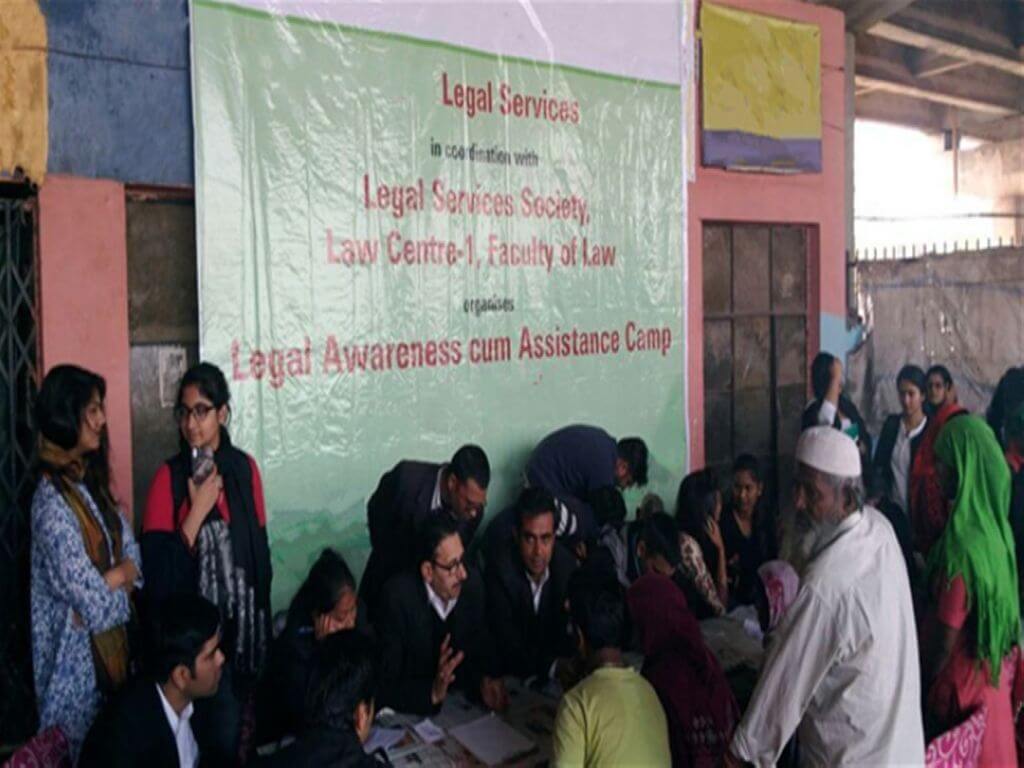
Establishing a Legal Service Center for poor people in rural areas of India involves creating a facility that provides legal aid, advice, and support to individuals who may not have easy access to legal services. Here are key components and services that could be part of such a center:
- Legal Aid Clinics:
- Set up legal aid clinics in easily accessible locations within rural communities.
- Staff the clinics with qualified lawyers who can provide free legal consultations.
- Awareness Campaigns:
- Conduct regular awareness campaigns to educate the community about their legal rights and the services offered by the center.
- Use local media, community events, and collaborations with local leaders for outreach.
- Civil and Criminal Legal Assistance:
- Provide assistance for civil matters, such as land disputes, property rights, and family issues.
- Offer support for criminal matters, ensuring fair representation and legal aid for those who cannot afford it.
- Family Law Services:
- Assist in matters related to marriage, divorce, child custody, and maintenance.
- Conduct awareness programs on legal aspects of family issues.
- Land Rights and Tenancy Issues:
- Help individuals understand and assert their land rights.
- Provide legal support in cases of tenancy disputes or eviction threats.
- Legal Literacy Programs:
- Conduct legal literacy programs in schools, community centers, and village gatherings.
- Empower community members with basic legal knowledge.
- Women’s Legal Support:
- Address issues related to domestic violence, dowry harassment, and other crimes against women.
- Offer counseling and legal representation to empower women in legal matters.
- Alternative Dispute Resolution (ADR):
- Promote and facilitate alternative dispute resolution mechanisms like mediation.
- Provide training on conflict resolution and negotiation.
- Consumer Rights Protection:
- Assist in matters related to consumer rights and protection.
- Raise awareness about unfair trade practices and consumer rights.
- Employment and Labor Law Assistance:
- Provide guidance on labor rights, wage disputes, and workplace harassment.
- Conduct workshops on labor laws and regulations.
- Legal Aid for Social Welfare Schemes:
- Assist individuals in accessing social welfare schemes and entitlements.
- Help with documentation and representation for schemes related to healthcare, education, and housing.
- Pro Bono Services:
- Encourage lawyers to offer pro bono services.
- Establish partnerships with legal professionals and law firms for additional support.
- Mobile Legal Clinics:
- Implement mobile legal clinics to reach remote areas.
- Bring legal services directly to communities through regular visits.
- Rights of Indigenous and Marginalized Communities:
- Advocate for the rights of indigenous and marginalized communities.
- Offer legal support in cases related to displacement, discrimination, or exploitation.
- Collaboration with NGOs and Government Bodies:
- Collaborate with non-governmental organizations and government bodies to maximize resources and impact.
- Participate in legal aid networks and forums.
- Legal Education and Training:
- Offer legal education and training programs to paralegals and community leaders.
- Build local capacity for basic legal support within communities.
- Monitoring and Evaluation:
- Implement a system to monitor the impact of legal interventions.
- Gather feedback from beneficiaries to improve and adapt services.
- Policy Advocacy:
- Engage in policy advocacy to address systemic issues and gaps in access to justice.
- Collaborate with stakeholders to influence legal reforms that benefit the rural poor.
The success of a Legal Service Center in rural areas depends on community engagement, cultural sensitivity, and continuous efforts to address the evolving legal needs of the community. Regular assessments and adaptations based on feedback are crucial for the center’s effectiveness and sustainability.
