
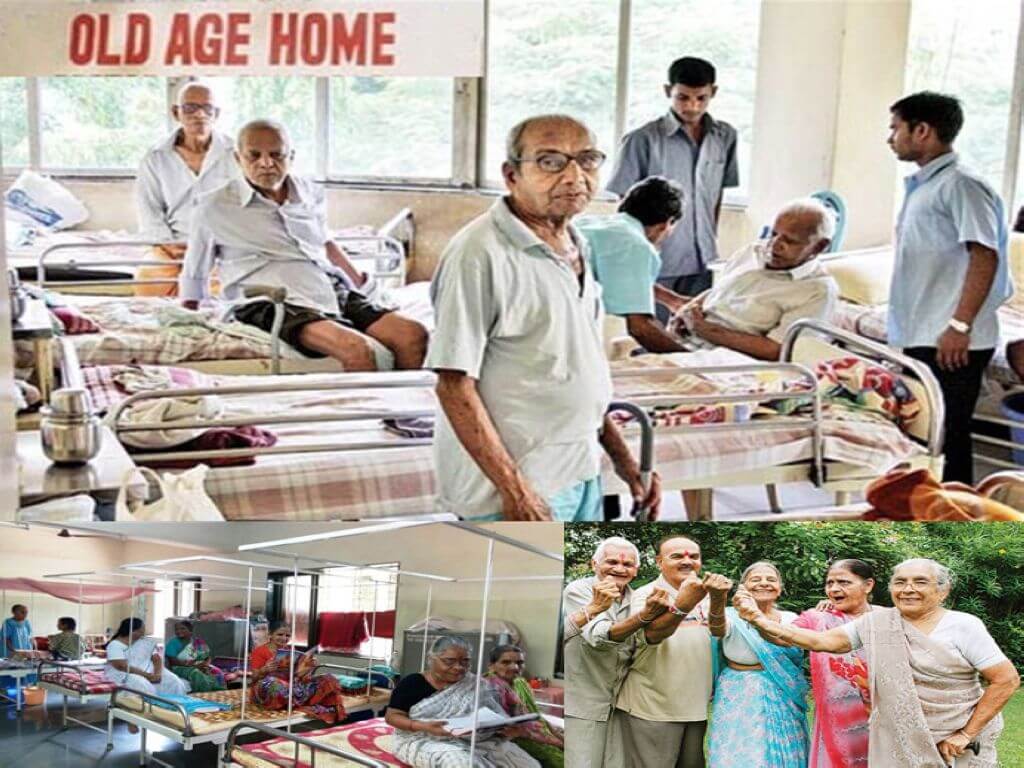
Establishing an Old Age Home and Rehabilitation Center involves creating a facility that caters to the needs of elderly individuals, especially those who may require rehabilitation services. Here are key components and services that could be part of such a center:
- Residential Facilities:
- Provide comfortable living spaces for elderly residents with accommodations that consider their physical needs.
- Ensure safety features such as handrails, non-slip flooring, and easy accessibility.
- Rehabilitation Services:
- Offer physical therapy, occupational therapy, and other rehabilitation services for individuals recovering from injuries or surgeries.
- Customize rehabilitation plans based on individual needs and medical requirements.
- Medical Care:
- Employ skilled medical staff, including nurses and caregivers, to provide round-the-clock medical care.
- Collaborate with visiting physicians and specialists to address specific health needs of residents.
- Nutritional Support:
- Provide well-balanced and nutritious meals, taking into account dietary restrictions and health conditions.
- Cater to specific dietary needs, such as diabetic or low-sodium diets.
- Recreational and Social Activities:
- Organize recreational and social activities to promote mental and emotional well-being.
- Include activities like arts and crafts, music, games, and outings to engage residents.
- Counseling and Emotional Support:
- Have trained counselors available to provide emotional support and counseling to residents.
- Create a supportive environment where residents can share their concerns and feelings.
- Assistive Devices and Technology:
- Provide assistive devices such as walkers, hearing aids, and magnifiers to enhance mobility and communication.
- Integrate technology to support communication with family members and access entertainment.
- Palliative Care:
- Develop palliative care programs for individuals with serious illnesses, focusing on improving quality of life and providing comfort.
- Train staff in providing compassionate end-of-life care.
- Community Engagement:
- Facilitate community engagement programs that allow residents to interact with the local community.
- Encourage volunteers, including students and community members, to participate in activities.
- Educational Programs:
- Offer educational programs on health, wellness, and aging for residents and their families.
- Organize workshops on topics such as financial planning for retirement and legal matters.
- Transportation Services:
- Provide transportation services for medical appointments, outings, and other needs.
- Ensure that transportation is accessible and accommodating for residents with mobility challenges.
- Dementia and Alzheimer’s Care:
- If applicable, establish specialized care units for individuals with dementia or Alzheimer’s disease.
- Train staff in dementia care techniques and provide a secure environment.
- Family Support Services:
- Offer support services for families, including educational resources, counseling, and family events.
- Facilitate family involvement in the care and decision-making process.
- Quality Assurance and Monitoring:
- Implement quality assurance measures to ensure that services meet or exceed regulatory standards.
- Regularly assess and update care plans based on changing needs.
